The Peakfy journal
Plain answers to the training questions riders actually ask — the numbers, what they mean, and what to do on the bike tomorrow.
-
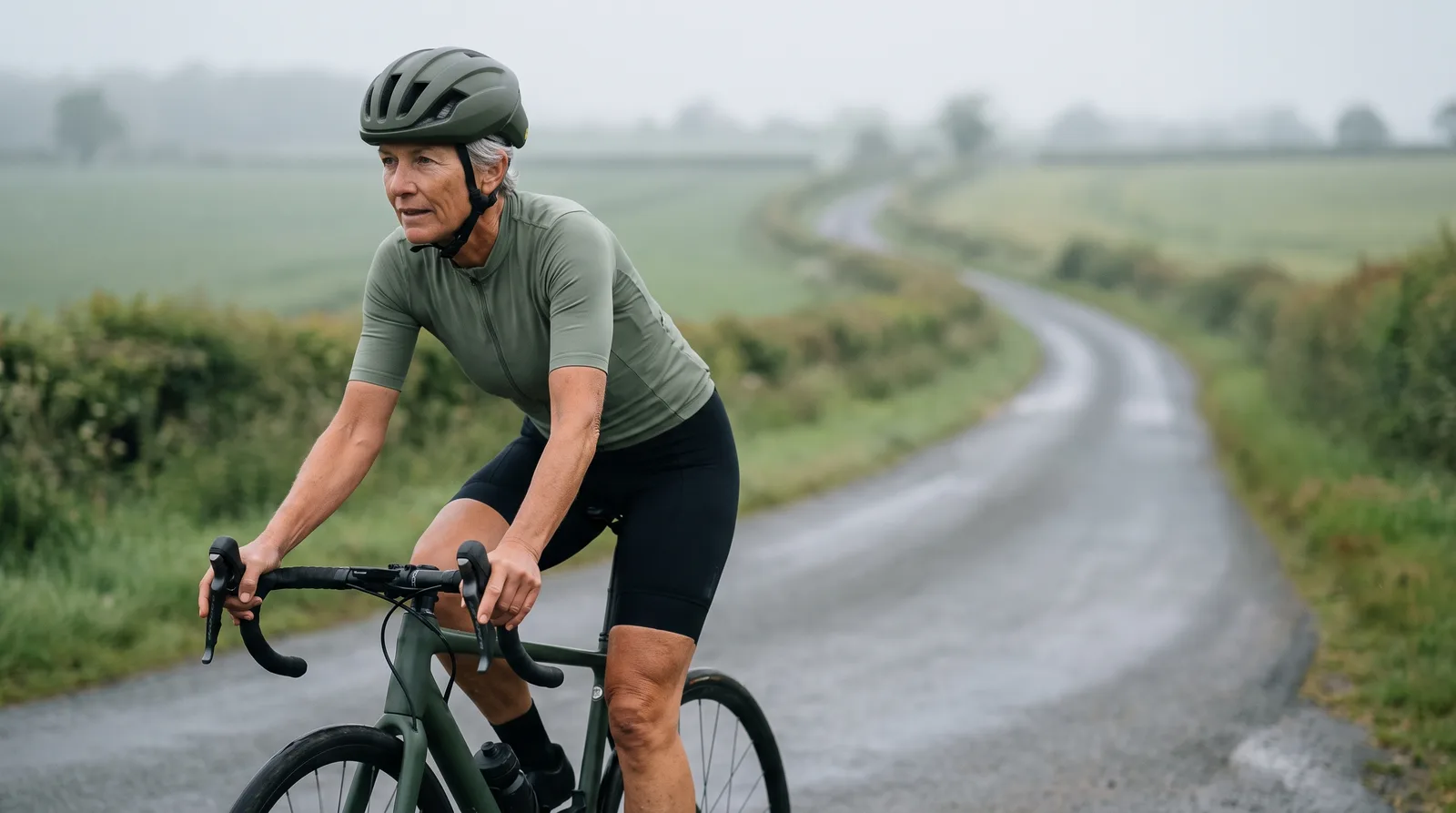
Cycling training over 40: what changes, and what to do with it
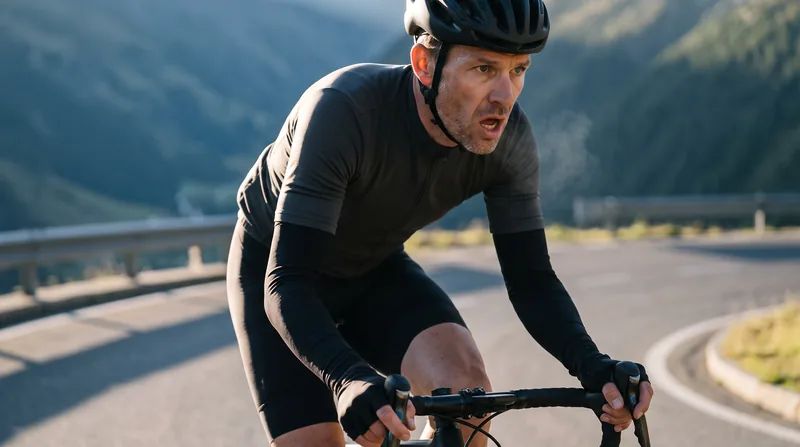
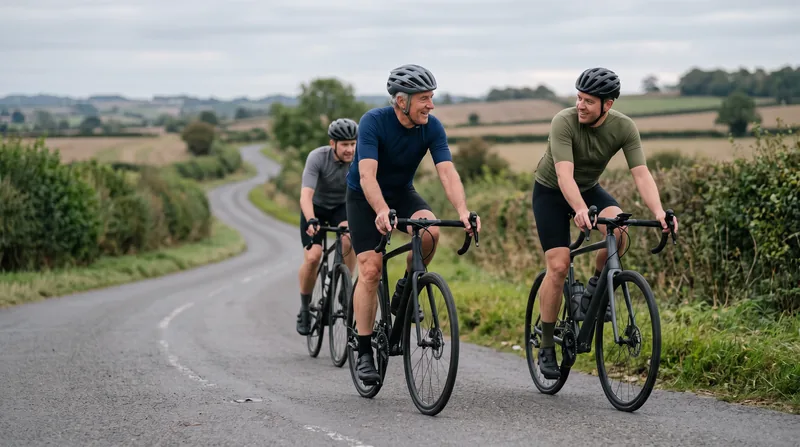
What the evidence says about riding into your forties and beyond: how fast performance really declines, why intensity keeps showing up as the lever that matters, whether recovery genuinely takes longer, and what strength work buys a cyclist.
-
Zone 2 heart rate cycling: how to ride easy without a power meter
Everyone says most of your riding should be easy. Nobody tells you how to know you are actually doing it when you train by heart rate. The field tests, why the same effort shows two different numbers, and how to set a range without a laboratory.
-
Can you trust your AI cycling coach? What the evidence shows
Every training app now calls itself adaptive and personalised. What research has actually tested, what it has never tested, and a ten-minute check you can run on any AI coach before you pay for it.
-
Heat training for cyclists: what it does, and what it does not
Heat training reliably makes you better in the heat. The claim that it also makes you faster in cool weather is much weaker than the internet suggests — and the easiest methods have the least evidence. A practical protocol you can run at home.
-
Can you trust your readiness score? What the research says
Readiness and recovery scores are widely used and barely validated. What the measurement underneath actually gets right, what the score on top does not, and how to use one without being ruled by it.
-
Critical power vs FTP: which number should guide your training?
Critical power and FTP agree on average and disagree on you. What each one actually measures, what testing costs, and which number is worth the hassle for a hobby rider.
-
What to do with your training plan when life gets in the way
Missed days, illness, travel, a chaotic week. What you actually lose, what you keep, and how to restart a training plan without treating one bad week as a disaster.
-
How many carbs per hour cycling? A practical guide
How much to eat on the bike, by ride length and intensity: the 30–60 g and 60–90 g per hour bands, what to make of the 120 g/h the professionals use, and why the gut has to be trained first.
-
What is FTP in cycling, and how do you test it?
FTP explained without the jargon: what the number actually represents, the 20-minute and ramp tests compared, why your FTP drifts, and how often it is worth retesting.
-
How to increase your FTP: what actually moves the number
The training that raises FTP, and the far more common reason riders stall: too much medium-intensity riding. Sweet spot, threshold and VO2max work, and how to sequence them.
-
Recovery and readiness in cycling: reading the morning signals
What HRV, resting heart rate and sleep actually tell you about whether to train hard today — how to read them as a trend, and the three signs that matter more than any score.
-
Cycling training zones explained: what each one is for
The power zones from recovery to anaerobic, what each actually trains, why elite endurance athletes spend most of their time in the easiest one, and how to set your own.
-
AI cycling coach vs human coach: an honest comparison
What software genuinely does better than a human coach, what it cannot do at all, and how to decide which one you need — including the case for using both.
-
A beginner cycling training plan that you will actually keep
How to build your first structured weeks on the bike: how often, how long, how hard, and the two mistakes that end most beginners' plans before week four.
-
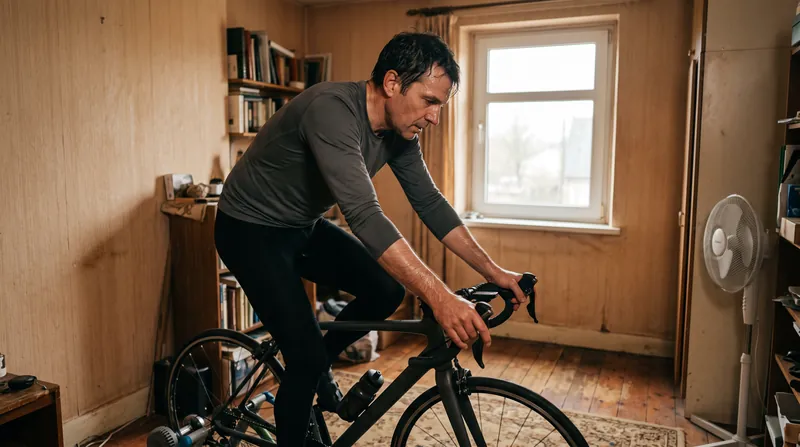
Indoor vs outdoor cycling training: which for which session
Why the same watts feel harder indoors, which sessions genuinely belong on the trainer, which need the road, and how to stop treating it as a loyalty test.
-
Durability in cycling: why your FTP does not predict hour five
Durability is how well your numbers hold up after hours of riding. Why two riders with the same FTP finish differently, what actually builds it, and how to train it.
-
How to train for a gran fondo without wrecking yourself
Building toward a long sportive: how far your long ride really needs to go, when to stop adding, how to pace the day, and the fuelling plan that decides the last hour.
-
How to train for your first bike race
What a first road race actually demands: repeated hard efforts rather than steady power, the skills that matter more than fitness, and how to handle the last week and the start line.